Projects In Progress
Development of the Extreme Weather Exposure Scale (EWES) in a tropical context – Phase 1
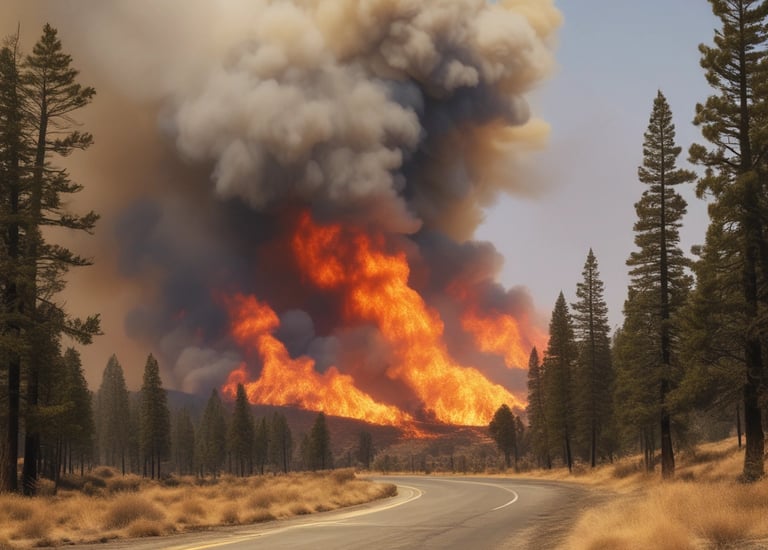
Background: Climate change is one of man’s greatest crises that is affecting lives globally. Its adverse impact on health and economic development is well documented and expected to worsen over the coming decades. This impact partly occurs through individuals’ exposure to extreme weather events such as heatwaves, cold spells, wildfires, and tsunamis. Exposure to these events can vary across segments of the population, and some factors associated with higher exposure are older age and poverty (Choi et al., 2023; Winsemius et al., 2018). One of the ways forward is to reduce the exposure of communities, especially more vulnerable groups such as older adults, to extreme weather as a population-level adaptation strategy. Yet, no psychometric tool has been developed to assess and track individuals’ exposure to extreme weather events. This shortcoming makes it impossible for researchers and policymakers to evaluate the implications of exposure to the events for healthcare utilization, well-being, and climate-related maladaptive behaviour (e.g., suicide). This study, the first phase of the Climate Exposure Assessment Project (CEAP), aims to construct a psychometric tool for measuring adults’ exposure to extreme weather events.
Aim: To construct a psychometric tool, hereby referred to as the Extreme Weather Exposure Scale (EWES), for measuring adults’ exposure to extreme weather events. A scientific index (score) will be determined as an indicator of exposure to extreme weather events.
Methods: A mixed methods design will be adopted. The design comprises an initial scoping review, a qualitative study, and a follow-up survey that are rolled out with a phased approach.
Phase 1 (scoping review) – We will conduct a scoping review of the literature to understand the extreme weather events to which individuals are exposed in tropical contexts. Evidence from the review will guide the creation of the interview guide for phase 2 and determine the specific extreme weather events to be incorporated into the EWES.
Phase 2 (Interviews) – At this stage, we will determine direct and indirect ways in which individuals have been exposed to extreme weather events. The evidence from the interviews and scoping review will inform the selection of the initial bank of items for EWES.
Phase 3 (expert rating) – a smaller sample of older adults and experts in climate change, healthy ageing, and public health research will be asked to rate the importance and relevance of the items created. The refined bank of items will be compiled at this stage for a larger survey.
Phase 4 (nationwide survey and testing) – data will be collected on the refined bank of items and other relevant variables from a representative sample of adults in Ghana. Demographic variables, climate anxiety, healthcare utilization frequency, self-medication, suicide ideation, built environmental attributes, and successful ageing are the other outcome measures at this stage. Factor analyses will be used to assess the psychometric properties of the refined items. Relevant regression analyses will be performed to assess potential health-related correlates of EWES, and a final evidence-based index will be developed.
Phase 5 (stakeholder engagement) – We will engage with policymakers and researchers to facilitate the sustained use of EWES in assessing exposure to extreme weather. Through workshops, practitioners will be trained to use EWES. Letters and policy briefs will be written to policymakers, and key results will be presented at the British Gerontological Society and the Gerontological Society of America (GSA).
Setting, participants, and sampling – The study participants will be Ghanaian adults aged 50 years or older. The purposive sampling method will be used to select 15 participants for phase 2 and 50 experts for phase 3. A multi-stage sampling method will be used to select a nationally representative sample of participants for the large-scale survey (phase 4).
Researchers – ISARG
Key terms: EWES, trauma exposure, climate change, health, built environment, ageing
References
Choi, E. Y., Lee, H., & Chang, V. W. (2023). Cumulative exposure to extreme heat and trajectories of cognitive decline among older adults in the USA. J Epidemiol Community Health, 77(11), 728-735.
Winsemius, H. C., Jongman, B., Veldkamp, T. I., Hallegatte, S.,
Bangalore, M., & Ward, P. J. (2018). Disaster risk, climate change, and poverty: assessing the global exposure of poor people to floods and droughts. Environment and Development Economics, 23(3), 328-348.12


Validation of the French Version of the Extreme Weather Exposure Scale (EWES-French) – Phase 2
Background: Communities are increasingly exposed to extreme weather events such as heatwaves, hurricanes, wildfires, and cold spells (Figueiredo et al., 2024). Yet, some segments of the population are more exposed to these events than others. The literature identifies older adults as one of the groups most exposed to extreme weather (Choi et al., 2023; Figueiredo et al., 2024). This evidence necessitated the development of the Ghanaian version of the Extreme Weather Exposure Scale (EWES) at the first phase of the Climate Exposure Assessment Project (CEAP). This study, the third phase of CEAP, aims to validate a French version of the EWES, hereby called EWES-French.
Aim: To validate a French version of the EWES (i.e., EWES-French) and undertake knowledge exchange activities for encouraging the use of EWES-French among practitioners.
Methods: A mixed methods design comprising a pilot study, a survey, and a follow-up qualitative study will be adopted. The key stages of the study are as follows:
Stage 1 (pilot study) – A pilot study will be conducted to ascertain the fit of the original EWES with the current Tunisian-French population, enabling us to introduce new items or remove irrelevant items from the original EWES.
Stage 2 (survey) – data from a larger sample of French speakers will be collected on the items selected in stage 1. Demographic variables, climate anxiety, healthcare utilization frequency, self-medication, suicide ideation, built environmental attributes, and successful ageing are the other outcome measures at this stage. Factor analyses will be used to assess the psychometric properties of EWES-French. Relevant regression analyses will be performed to assess potential health-related correlates of EWES-French, and an appropriate index for assessing overall exposure to extreme weather will be developed.
Stage 3 (user identification) – We will interview 15 policymakers and experts to explore avenues for using EWES-French, setting the stage for our knowledge exchange activities at stage 4. This stage will facilitate the routine use of the tool in the delivery of key social services.
Stage 4 (knowledge exchange) – Through a series of workshops, practitioners in key sectors (e.g., primary care and social work) will be trained to use EWES in assessing individuals’ exposure risk. Letters and policy briefs will be written to engage with policymakers and create awareness of the scale.
Setting, participants, and sampling – The study participants will be French-speaking Tunisian adults aged 50 years or older. A multi-stage sampling method will be used to select a nationally representative sample of participants for the survey. The pilot study will be based on a smaller sample of 300 individuals randomly selected from the national sample.
Key terms: EWES-French, trauma exposure, climate change, health, built environment, ageing
References
Choi, E. Y., Lee, H., & Chang, V. W. (2023). Cumulative exposure to extreme heat and trajectories of cognitive decline among older adults in the USA. J Epidemiol Community Health, 77(11), 728-735.
Figueiredo, T., Midao, L., Rocha, P., Cruz, S., Lameira, G., Conceicao, P., Ramos, R. J. G., Batista, L., Corvacho, H., Almada, M., Martins, A., Rocha, C., Ribeiro, A., Alves, F., & Costa, E. (2024). The interplay between climate change and ageing: A systematic review of health indicators. PLoS One, 19(4), e0297116. https://doi.org/10.1371/journal.pone.0297116


Validation of the Arabic Version of the Extreme Weather Exposure Scale (EWES-Arabic) – Phase 3
Background: All communities are increasingly exposed to extreme weather events, but some segments of the population (e.g., older adults) are more exposed to these events than others (Choi et al., 2023; Figueiredo et al., 2024). This understanding led to the development of the Extreme Weather Exposure Scale (EWES) in the first phase of the Climate Exposure Assessment Project (CEAP). This study, the third phase of CEAP, aims to validate an Arabic version of the EWES, hereby called EWES-Arabic. Many Arabic-speaking countries, such as Saudi Arabia, Iran, and Egypt, are experiencing extreme weather events such as heatwaves, dust tsunamis, and wildfires (Abutaleb et al., 2018; Hereher, 2016). The EWES-Arabic is, therefore, a necessary tool for assessing exposure to extreme weather and its associated morbidity, healthcare dependency, and maladaptive behaviours.
Aim: To validate an Arabic version of the EWES (i.e., EWES-Arabic) and undertake knowledge exchange activities for encouraging the use of EWES-Arabic among practitioners.
Methods: A mixed methods design comprising a pilot study, a survey, and a follow-up qualitative study will be adopted. The key stages of the study are as follows:
Stage 1 (pilot study) – A pilot study will be conducted to ascertain the fit of the original EWES with the current Arabic-speaking population, enabling us to introduce new items or remove irrelevant items from the original EWES.
Stage 2 (survey) – data from a larger sample of Arabic speakers will be collected on the items selected in stage 1. Demographic variables, climate anxiety, healthcare utilization frequency, self-medication, suicide ideation, built environmental attributes, and successful ageing are the other outcome measures at this stage. Factor analyses will be used to assess the psychometric properties of EWES-Arabic. Relevant regression analyses will be performed to assess potential health-related correlates of EWES-Arabic, and an appropriate index for assessing overall exposure to extreme weather will be developed.
Stage 3 (user identification) – We will interview 15 policymakers and experts to explore avenues for using EWES-Arabic, setting the stage for our knowledge exchange activities at stage 4. This stage will facilitate the routine use of the tool in the delivery of key social services.
Stage 4 (knowledge exchange) – Through a series of workshops, practitioners in key sectors (e.g., primary care, and social work) will be trained to use EWES-Arabic in assessing individuals’ exposure risk. Letters and policy briefs will be written to engage with policymakers and create awareness of the scale.
Setting, participants, and sampling – The study participants will be Arabic-speaking Saudi adults aged 50 years or older. A multi-stage sampling method will be used to select a representative sample of participants for the survey. The pilot study will be based on a smaller sample of 300 individuals randomly selected from the national sample.
Key terms: EWES-Arabic, trauma exposure, climate change, health, built environment, ageing
References
Abutaleb, K. A. A., Mohammed, A. H. E.-S., & Ahmed, M. H. M. (2018). Climate change impacts, vulnerabilities and adaption measures for Egypt’s Nile Delta. Earth Systems and Environment, 2(2), 183-192.
Choi, E. Y., Lee, H., & Chang, V. W. (2023). Cumulative exposure to extreme heat and trajectories of cognitive decline among older adults in the USA. J Epidemiol Community Health, 77(11), 728-735.
Figueiredo, T., Midao, L., Rocha, P., Cruz, S., Lameira, G., Conceicao, P., Ramos, R. J. G., Batista, L., Corvacho, H., Almada, M., Martins, A., Rocha, C., Ribeiro, A., Alves, F., & Costa, E. (2024). The interplay between climate change and ageing: A systematic review of health indicators. PLoS One, 19(4), e0297116.
https://doi.org/10.1371/journal.pone.0297116
Hereher, M. E. (2016). Vulnerability assessment of the Saudi Arabian Red Sea coast to climate change. Environmental Earth Sciences, 31(1), 56391–56398.
Development of the English Version of the Extreme Weather Exposure Scale (EWES-English) – Phase 4
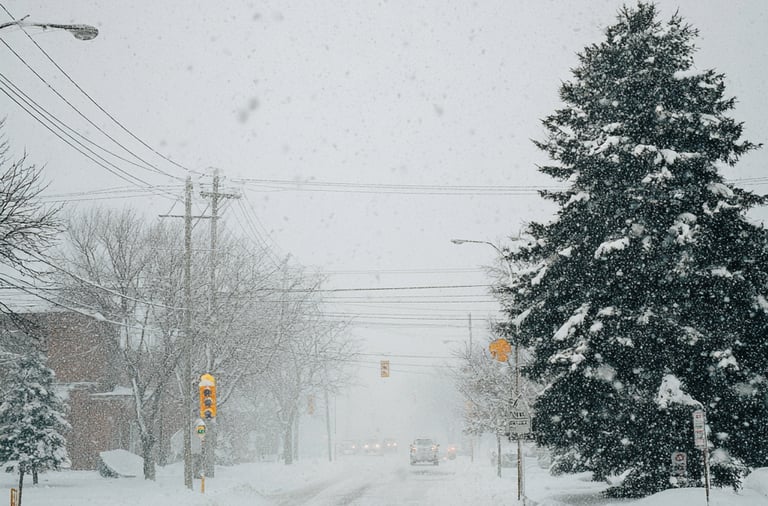
Background: Individuals are increasingly exposed to extreme weather events as climate change intensifies globally. Yet, exposure to extreme weather is higher in some segments of the population. Older adults, for example, are more exposed to cold spells, storms, and flooding, partly due to their functional limitations and lack of access to social support (Choi et al., 2023; Figueiredo et al., 2024). High exposure to extreme weather events can, nonetheless, be associated with morbidity, healthcare utilisation, and maladaptive behaviours such as suicide and elicit self-medication. There is, thus, a need to assess and track exposure to extreme weather events, especially among older adults, enabling stakeholders to evaluate exposure risks and their associated healthcare dependency and maladaptive behaviour. The Extreme Weather Exposure Scale (EWES) is being developed in tropical contexts characterised by heatwaves, floods, and wildfires. Extreme weather events in cold settings, such as the United Kingdom (UK), may differ from those experienced in tropical contexts. Social and welfare support is more accessible to older adults in a developed country such as the UK. Hence, the EWES may not be suitable for measuring older adults’ exposure to extreme weather in the UK. This study, the fourth phase of the Climate Exposure Assessment Project (CEAP), aims to validate an English version of the EWES (i.e., EWES-English).
Aim: To construct an English version of the Extreme Weather Exposure Scale (EWES-English) and develop a scientific index for assessing older adults’ exposure to extreme weather in a cold environment.
Methods: A mixed methods design will be adopted. The design comprises an initial scoping review, a qualitative study, and a follow-up survey that are rolled out with a phased approach.
Phase 1 (scoping review) – We will conduct a scoping review of the literature to understand the extreme weather events to which individuals are exposed in cold settings. Evidence from the review will guide the creation of the interview guide and determine the specific extreme weather events to be incorporated into the EWES-English.
Phase 2 (Interviews) – At this stage, we determine direct and indirect ways in which individuals have been exposed to extreme weather events. The evidence from the interviews would complement the results from the systematic review and inform the selection of the initial bank of items for EWES-English.
Phase 3 (expert rating) – a smaller sample of older adults and experts in climate change, healthy ageing, and public health research is asked to rate the importance and relevance of the items created. The refined bank of items is compiled at this stage for a larger survey.
Phase 4 (nationwide survey and testing) – data will be collected on the refined bank of items and other relevant variables from a representative sample of adults in Ghana. Demographic variables, climate anxiety, healthcare utilization frequency, self-medication, suicide ideation, built environmental attributes, and successful ageing are the other outcome measures at this stage. Factor analyses will be used to assess the psychometric properties of the refined items. Relevant regression analyses will be performed to assess potential health-related correlates of EWES-English, and a final evidence-based index will be developed.
Phase 5 (stakeholder engagement) – We will engage with policymakers and researchers to facilitate the sustained use of EWES-English in assessing exposure to extreme weather. Through workshops, stakeholders (e.g., charities, care homes, etc.) will be trained to use EWES-English. Letters and policy briefs will be written to policymakers.
Setting, participants, and sampling – The study participants will be adults aged 65 years or older in England, UK. The purposive sampling method will be used to select 15 participants for phase 2 and 50 experts for phase 3. A larger and more representative sample of participants will be selected for phase 4.
Key terms: EWES, trauma exposure, climate change, health, built environment, ageing
References
Choi, E. Y., Lee, H., & Chang, V. W. (2023). Cumulative exposure to extreme heat and trajectories of cognitive decline among older adults in the USA. J Epidemiol Community Health, 77(11), 728-735.
Figueiredo, T., Midao, L., Rocha, P., Cruz, S., Lameira, G., Conceicao, P., Ramos, R. J. G., Batista, L., Corvacho, H., Almada, M., Martins, A., Rocha, C., Ribeiro, A., Alves, F., & Costa, E. (2024). The interplay between climate change and ageing: A systematic review of health indicators. PLoS One, 19(4), e0297116. https://doi.org/10.1371/journal.pone.0297116